Postnatal Assessment in Brixton
A Mummy MOT® is a specialist postnatal assessment recommended for all women following childbirth. Whether you gave birth 6 weeks ago or several years ago, this comprehensive check-up is designed to fully support your recovery after pregnancy and labour.
Pregnancy, birth, and early motherhood place immense physical demands on your body. Many women are left unsure how to safely return to exercise, manage new physical symptoms, or reconnect with their bodies. A Mummy MOT® at Body Alliance provides the expert clinical guidance you need to navigate this stage of postnatal recovery with confidence.
At our Brixton clinic, we take a holistic, personalized approach to postnatal rehabilitation. Our fully qualified specialist assesses how your body moves and functions after birth, helping you identify and treat common issues like pelvic floor dysfunction, abdominal separation, and lower back strain.
What to Expect During Your Postnatal Assessment
Your comprehensive 1-hour session is entirely tailored to your recovery goals and may include:
- Postural & Movement Assessment: Evaluating your alignment, functional movement, and core stability.
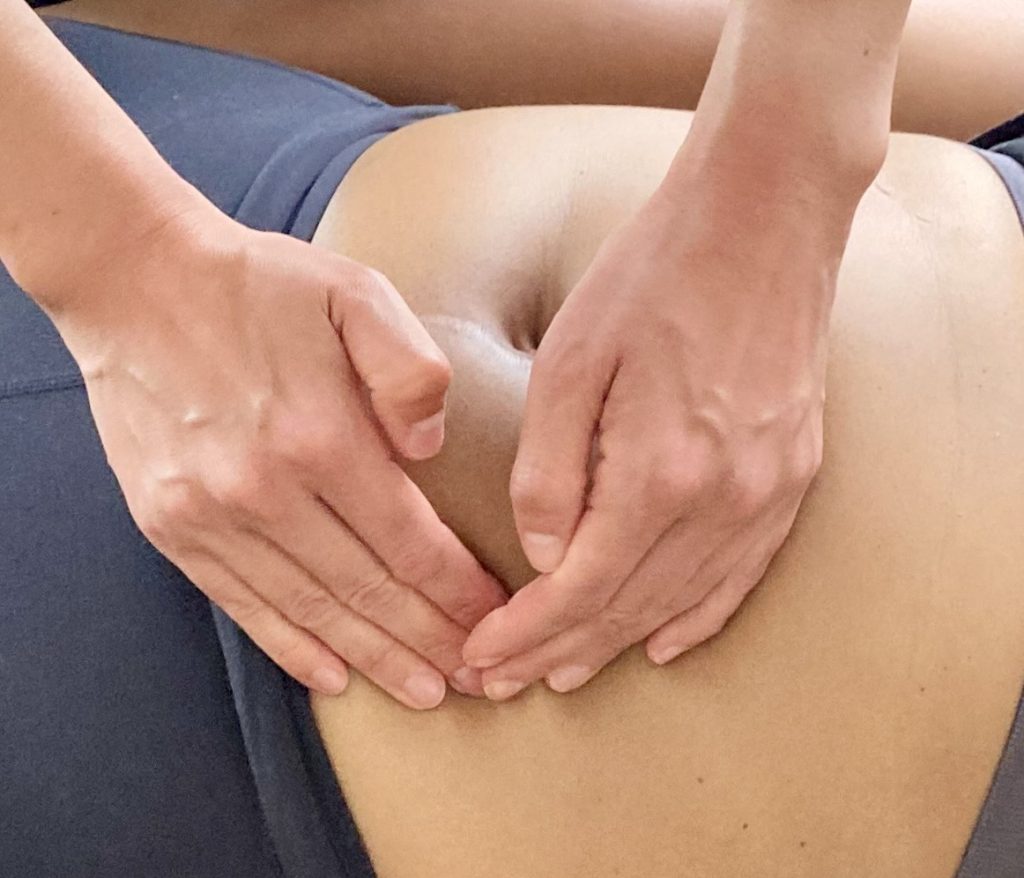
- Abdominal Wall Check: Testing your core muscle function and checking for diastasis recti (abdominal separation).
- Pelvic Floor Assessment: An optional internal examination (always with your explicit consent) to check strength, tone, and endurance.
- Breathing & Pressure Management: Analyzing how your breathing patterns affect your core and pelvic floor.
- Safe Exercise Guidance: Expert advice on how to safely return to running, gym workouts, or Pilates postpartum.
- Personalized Rehabilitation: A bespoke exercise program utilizing our specialized clinical Pilates equipment.
Who is a Mummy MOT® For?
You do not need to be in pain to benefit from this assessment. It is ideal for anyone seeking reassurance after birth, as well as women experiencing:
- Pelvic floor symptoms (such as leaking when coughing, sneezing, or exercising).
- Core weakness or a noticeable gap in the stomach muscles.
- Pain or discomfort in the lower back, pelvis, hips, or tailbone.
- Prolapse symptoms (such as a feeling of heaviness or pressure in the pelvic area).
- Difficulty returning to exercise safely or a lack of confidence in your physical strength.
Book Your Postnatal Check-Up Today
Take the guesswork out of your postnatal recovery. Our specialist women’s health physiotherapist is here to help you rebuild your strength and return to the activities you love at your own pace.
- Book your Initial Mummy MOT® appointment with Giuliana Fierro here!
- Learn more about our Mummy MOT® practitioner and Physiotherapist, Giuliana Fierro, here!
FAQs
What is a Mummy MOT®?
A Mummy MOT® is a specialist postnatal assessment recommended for all women following childbirth. This comprehensive check-up is designed to fully support your recovery after pregnancy and labor.
How soon after giving birth can I have a Mummy MOT®?
Whether you gave birth 6 weeks ago or several years ago, this comprehensive check-up is designed to fully support your recovery after pregnancy and labor.
What should I expect during a Mummy MOT® postnatal assessment?
Your comprehensive 75-minute session is entirely tailored to your recovery goals and may include a postural & movement assessment, abdominal wall check for diastasis recti, an optional internal pelvic floor assessment, analysis of breathing & pressure management, safe exercise guidance, and a personalized rehabilitation program.
Who is a Mummy MOT® for?
You do not need to be in pain to benefit from this assessment. It is ideal for anyone seeking reassurance after birth, as well as women experiencing pelvic floor symptoms (such as leaking), core weakness or a noticeable gap in the stomach muscles, pain or discomfort in the lower back, pelvis, hips, or tailbone, prolapse symptoms, or difficulty returning to exercise safely.
What common postnatal issues can a Mummy MOT® help identify and treat?
Our fully qualified specialist assesses how your body moves and functions after birth, helping you identify and treat common issues like pelvic floor dysfunction, abdominal separation (diastasis recti), and lower back strain.