Expert Physiotherapy at Body Alliance
Physiotherapy uses a range of treatment techniques to help manage different musculoskeletal conditions. Whether they have been caused by injury, posture and lifestyle or age-related, at Body Alliance you can find the right support.
Besides assessing and treating common musculoskeletal, we offer specialist Women’s Health Physiotherapy. Whether you have pregnancy-related pain, are looking for help with postnatal recovery or are suffering with ongoing pelvic health issues or symptoms associated with (peri)menopause, we offer expert care.
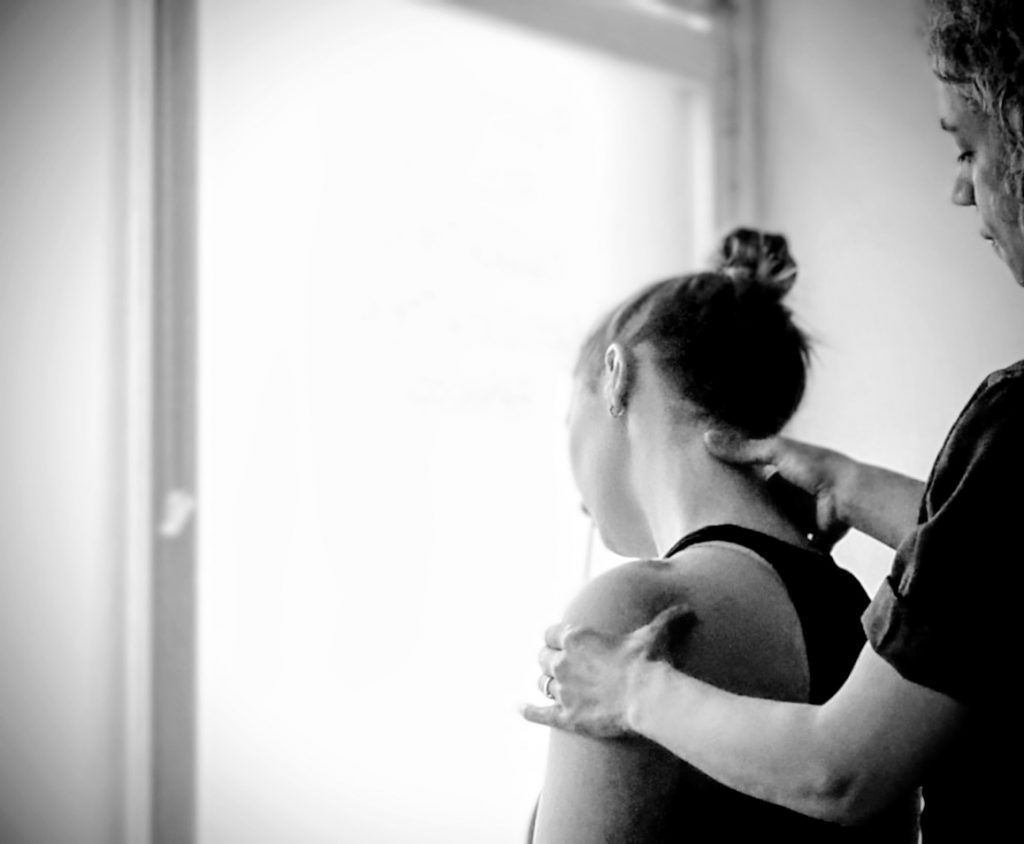
We use a range of techniques include exercise prescription, manual therapy, soft tissue release and acupuncture, to help you improve your function and activity levels.
Physiotherapy and Pilates
At Body Alliance we also use Pilates Matwork and Pilates Equipment exercises to help you on your health journey. You can join a class or exercises can be taught during your Physiotherapy session and practiced at home.
Our Physiotherapists and Pilates Instructors work together in managing our clients’ needs. This means that we can help establish a close connection between the clinic room and the rehab in the Pilates studio.
See below some of the most common conditions we can help you with:
Neck Pain – A Physiotherapist can assess your posture, neck and shoulder muscle strength, thoracic spine mobility and nerve health, to identify the cause of your symptoms.
Shoulder Conditions – From rotator cuff injuries, work related dysfunctions and sports injuries, a Physiotherapy assessment can help diagnose what is causing your shoulder symptoms. A treatment plan is then devised to help you gain your mobility and strength back.
Back Pain – Many structures can cause back pain, from herniated discs to muscle tightness and sporting injuries. In most cases, back pain can be alleviated with gentle exercise, manual therapy and other pain management strategies. You can expect to return to your normal activities within a few weeks.
Hip Conditions – Hip conditions can affect mobility and sporting activities and sometimes cause back or knee pain. A Physiotherapist can assess your movement patterns and joint health and help you rehab back to normal. Conditions can range from snapping hip to bursitis, tendinopathy or degenerative.
Knee Conditions – Knee pain can be caused by a number of structures on the knee joint. Bursitis, fat pad impingement and arthritis can cause severe pain and swelling in the joint. Muscles and tendon acting on the knee can cause ache and soreness, e.g. ITB friction, hamstrings or quadriceps muscle tightness.
Ankle Injuries – From ligament sprains, to joint impingement and tendinopathies, ankle injuries can be challenging and affect day to day mobility. The Physiotherapists at Body Alliance are experienced at assessing and treating ankle conditions and can help you return to your usual activities.
Foot Pain – Common foot conditions include plantar fasciitis, heel pain and tendinopathy. Other conditions can be less understood and misdiagnosed, such as Morton neuromas and stressed fractures. A Physiotherapy assessment can help identify and address the problem more rapidly.
Sports Injuries – Any of the above conditions may be caused by sports injuries. Assessment will help identify structural and biomechanical issues and will help establish a treatment plan. Rehabilitation will focus on return to your activity of choice.
Further investigations can be necessary in cases where Physiotherapy is not able to manage your symptoms or exclude other more serious conditions. In these cases, we can contact your GP or refer you to any necessary investigations, with your consent.
FAQs
How can I book a Physiotherapy Appointment?
You can contact us on physiotherapy@bodyalliance.co.uk Alternatively you can book online here!
Do We Offer Insurance Cover?
Yes. We accept most health insurance providers including AXA, WPA, Aviva, Vitality, Cigna, Freedom Health and Healthcare Cash Plan. Please contact your provider for details.
What is the difference between Physiotherapy and Osteopathy?
Osteopaths and physiotherapists are both experts in musculoskeletal health, but they approach treatment differently. Osteopaths take a holistic, hands-on approach to find root causes of pain, focusing on manual adjustments. Physiotherapists emphasise evidence-based rehabilitation, focusing on targeted exercises and movement to strengthen the body and prevent re-injury. Both therapies can overlap and you can receive hands on treatment by a Physiotherapist and be prescribed exercises by an Osteopath.
What conditions does Body Alliance Physiotherapy treat?
Body Alliance Physiotherapy treats various musculoskeletal conditions caused by injury, posture, lifestyle, or age-related issues. They also offer specialist Women’s Health Physiotherapy for pregnancy-related pain, postnatal recovery, pelvic health issues, and symptoms associated with (peri)menopause, as well as common conditions like neck pain, shoulder conditions, back pain, hip conditions, knee conditions, ankle injuries, foot pain, and sports injuries.
What treatment techniques do Body Alliance Physiotherapists use?
Body Alliance Physiotherapists use a range of techniques including exercise prescription, manual therapy, soft tissue release, and acupuncture to help improve function and activity levels. They also integrate Pilates Matwork and Pilates Equipment exercises into treatment plans.


Mummy MOT® at Body Alliance